Trends and developments Changing the Landscape of Aluminum Foundry Operations
The aluminum foundry industry is undertaking considerable changes due to technological advancements. Automation, artificial intelligence, and sustainable methods are at the forefront of this change. These developments promise to enhance productivity, enhance production procedures, and decrease environmental impact. As these trends remain to advance, they increase vital concerns regarding the future of aluminum production and its role in various industries. What ramifications might these modifications hold for the marketplace and its stakeholders?
Advanced Automation in Aluminum Foundries
As the demand for reliable and top notch aluminum products remains to rise, many foundries are increasingly adopting advanced automation technologies. Aluminum Casting. These developments streamline numerous procedures, boosting performance and minimizing labor expenses. Robotic systems, for instance, are utilized for jobs such as mold handling, pouring, and ending up, guaranteeing consistency and precision
Automated high quality control systems are also coming to be usual, employing electronic cameras and sensors to detect flaws in real-time, therefore lessening waste and remodel. Furthermore, the combination of programmable logic controllers (PLCs) allows for better tracking and control of production lines, promoting quicker modifications in reaction to transforming demands.
The usage of automated led automobiles (AGVs) enhances product transport within the foundry, further improving functional efficiency. Through these innovations, aluminum foundries are not only fulfilling market needs but additionally placing themselves as leaders in sustainable manufacturing practices.
The Role of Expert System in Manufacturing Optimization
Advanced automation modern technologies have set the phase for the assimilation of expert system (AI) in aluminum foundries, significantly enhancing manufacturing optimization. AI systems analyze huge quantities of information created during the manufacturing procedure, providing insights that bring about improved effectiveness and lowered waste. These systems can recognize patterns and patterns that human operators may overlook, allowing anticipating upkeep and aggressive decision-making.
AI algorithms maximize casting procedures by changing specifications in real-time, ensuring the highest top quality output while lessening problems. The implementation of device knowing in top quality control processes also enhances precision, as AI can promptly evaluate product specs against developed standards.
Eventually, the adoption of AI in aluminum foundries not only enhances operations yet likewise equips workforce capabilities, enabling an extra nimble and responsive production setting. By utilizing these sophisticated technologies, foundries can achieve substantial gains in performance and functional quality.
Lasting Practices and Their Influence On Environmental Footprint
How can aluminum foundries efficiently reduce their ecological footprint while keeping performance? One key method is the adoption of sustainable methods, that include recycling scrap aluminum to reduce waste and conserve power. By utilizing closed-loop systems, foundries can substantially decrease their reliance on virgin materials, therefore reducing carbon discharges related to extraction and processing.
Implementing energy-efficient innovations, such as sophisticated melting heaters and heat recuperation systems, can considerably decrease power intake. Changing to sustainable power sources even more boosts sustainability, enabling foundries to operate with a minimized environmental effect.
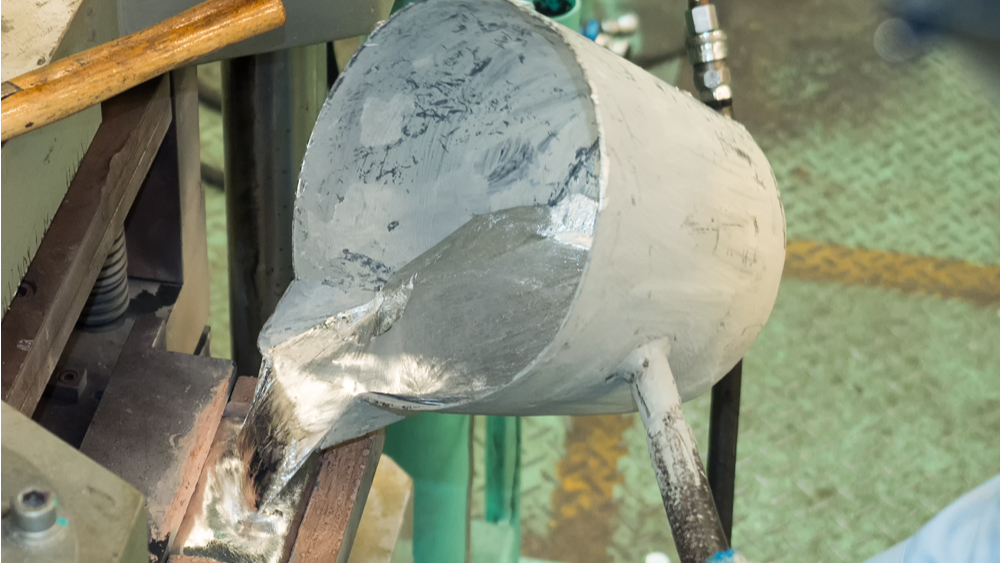
Smart Production Technologies Enhancing Efficiency
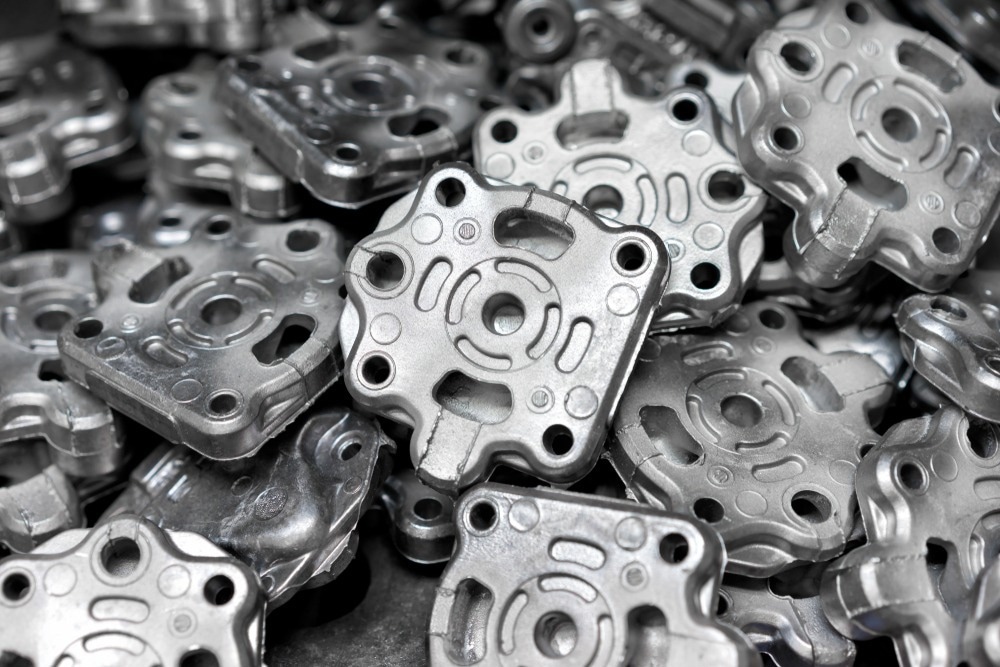
Robotic systems improve repetitive tasks, ensuring consistent top quality while releasing human workers to focus on even more complicated obligations. In addition, IoT connectivity assists in smooth communication across the production line, boosting control and responsiveness to market demands. As an outcome, aluminum foundries can accomplish higher throughput and enhanced quality assurance, positioning themselves competitively in a swiftly developing sector landscape. The adoption of these wise modern technologies signifies a transformative shift in the direction of efficiency and advancement in foundry procedures.
The Future of Lightweight Aluminum Products in Various Industries
As industries progressively focus on sustainability and effectiveness, the need for light-weight aluminum products is predicted to expand substantially. This change is particularly evident in sectors such as vehicle, aerospace, and construction, where decreasing weight directly adds to enhanced gas efficiency and reduced discharges. Producers are innovating in aluminum alloys and you could check here manufacture strategies to produce components that are not only lighter but likewise stronger and a lot more resilient.
The auto industry, as an example, is accepting aluminum to fulfill rigid fuel economic climate standards while maintaining security and efficiency. Aerospace companies are leveraging lightweight aluminum to enhance aircraft efficiency. In building and construction, aluminum's flexibility enables cutting-edge styles that lower material use without compromising architectural integrity.
As technology advancements, including the combination of clever manufacturing and reusing processes, the future of light-weight aluminum products appears bright, promising to sustain a more sustainable and reliable commercial landscape.

Frequently Asked Concerns
What Are the Key Challenges Encountering Aluminum Foundries Today?
Light weight aluminum foundries today encounter obstacles such as increasing power expenses, environmental laws, labor shortages, competitors from innovative manufacturing innovations, and the demand for improved sustainability methods to meet market demands and consumer expectations efficiently.
Exactly How Does Aluminum Recycling Effect Foundry Operations?
Light weight aluminum reusing significantly influences foundry operations by decreasing resources expenses, advertising sustainability, and boosting production efficiency. It permits foundries to lessen waste while fulfilling increasing need for environment-friendly techniques in the aluminum market.
What Accreditations Are Very Important for Aluminum Foundries?
ISO 9001 for high quality monitoring, ISO 14001 for ecological management, and AS9100 for aerospace requirements are necessary certifications for aluminum foundries. These accreditations enhance operational efficiency, assurance product quality, and advertise sustainable methods within the market.
How Do Labor Prices Influence Aluminum Foundry Success?
Labor prices significantly impact aluminum foundry productivity, as higher earnings can decrease margins while efficient labor monitoring can enhance productivity. Balancing these factors is important for maintaining competition and monetary health in the industry.
What Prevail Flaws in Aluminum Castings and Their Reasons?
Typical problems in aluminum spreadings consist of surface area, porosity, and contraction flaws. These concerns commonly arise from inappropriate melting temperatures, inadequate mold layout, and contamination throughout the spreading process, eventually affecting the top quality and efficiency of the end product.
Advanced automation innovations have actually established the phase for the integration of synthetic knowledge (AI) in aluminum foundries, significantly improving manufacturing optimization. aluminum metal casting. Just how can aluminum foundries properly minimize their environmental impact while preserving productivity? While aluminum foundries encounter enhancing demands for productivity and effectiveness, the integration of smart production technologies provides an engaging solution. Aluminum reusing considerably effects foundry operations by decreasing raw product prices, advertising sustainability, and enhancing manufacturing effectiveness. Labor expenses noticeably impact aluminum foundry profitability, as higher earnings can minimize discover this info here margins while efficient labor administration can boost productivity